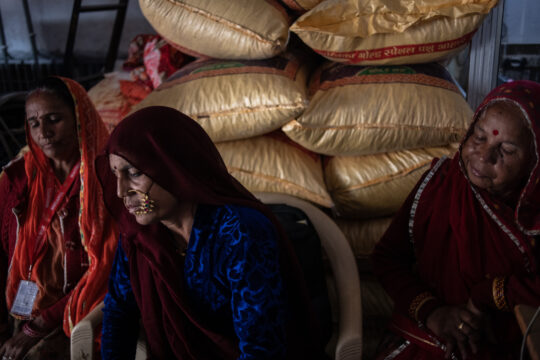
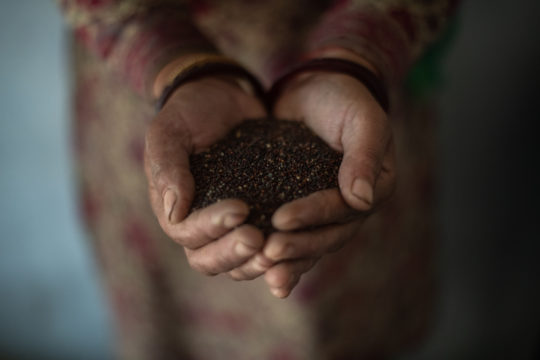
As countries experiment with climate solutions, experience of women farmers in the Indian Himalayas shows the complexities of the climate crisis and the costs of not involving local communities.
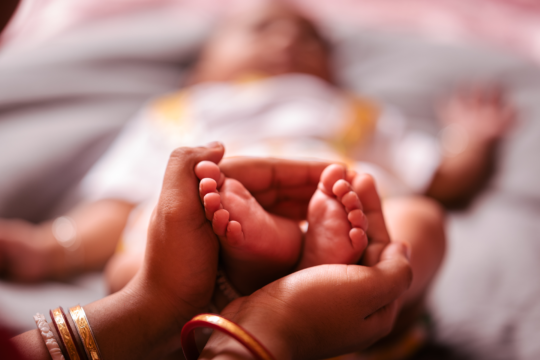
India has made enormous strides in reducing maternal mortality. But that success has exposed a largely unaddressed phenomenon: high rates of suicides around the time of childbirth.
South Asia has endured an unprecedented heat wave, with March seeing the hottest temperatures on record in India. Evidence suggests the heat is landing a cruel double blow on women’s income and health.
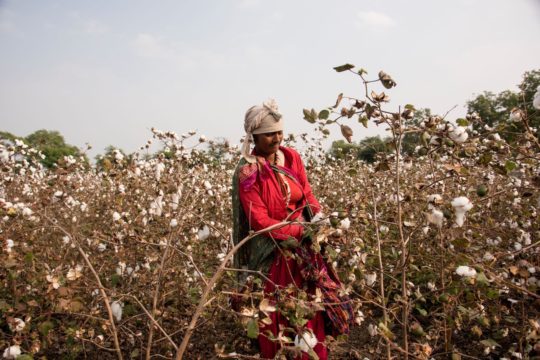
According to official government statistics, 75.7% of rural women in India are engaged in agriculture. But in article after article, farmers are often exclusively portrayed as men. With the changing climate hitting the agriculture sector hard, women’s invisibility in media coverage leaves their distress unacknowledged.
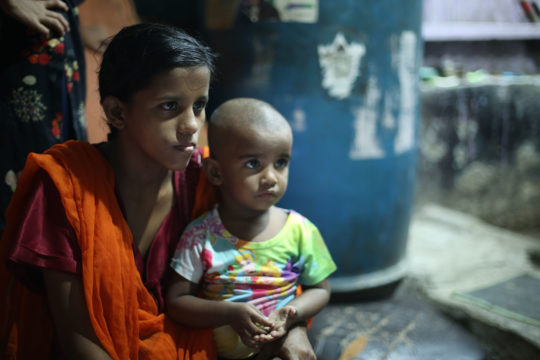
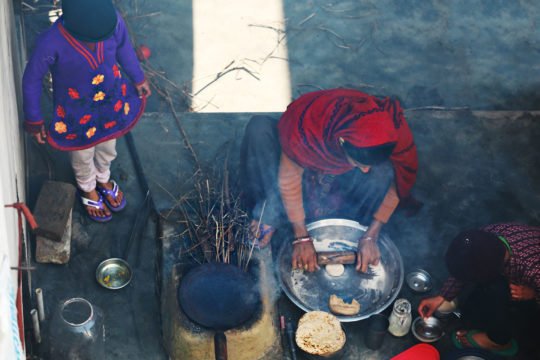
India's polluted skylines regularly make international news. But it’s only now coming to light that air quality inside homes, which mainly affects women in the kitchen, can be just as bad.
Evidence is clear that air pollution is linked to higher rates of miscarriages, pregnancy complications and stillbirths, affecting women’s reproductive health. But public health experts say that air pollution’s impact on women's health is not getting the attention it needs.
India’s investment early weather warning systems was expected to help a predominantly male field of fishermen. But data suggests it may have unexpectedly led to major financial gains for women since the systems were launched a decade ago. Experts say the unintended win shows that gender is still a blind spot for climate policymakers.